← Back
🏔️
拉萨

Lhasa

Potala Palace, Tibetan Buddhism, high-altitude magic

★★★★☆ 🗓 4–5 days High altitudeTibetan cultureMonasteries

✨ Why Lhasa?

At 3,650 meters above sea level, Lhasa — "the Place of the Gods" in Tibetan — is one of the highest cities on Earth and the beating heart of Tibetan Buddhism. The Potala Palace crowns the skyline like nothing else in China, and the air itself seems thinner, clearer, and more alive. This is a city you feel in your lungs and your soul.

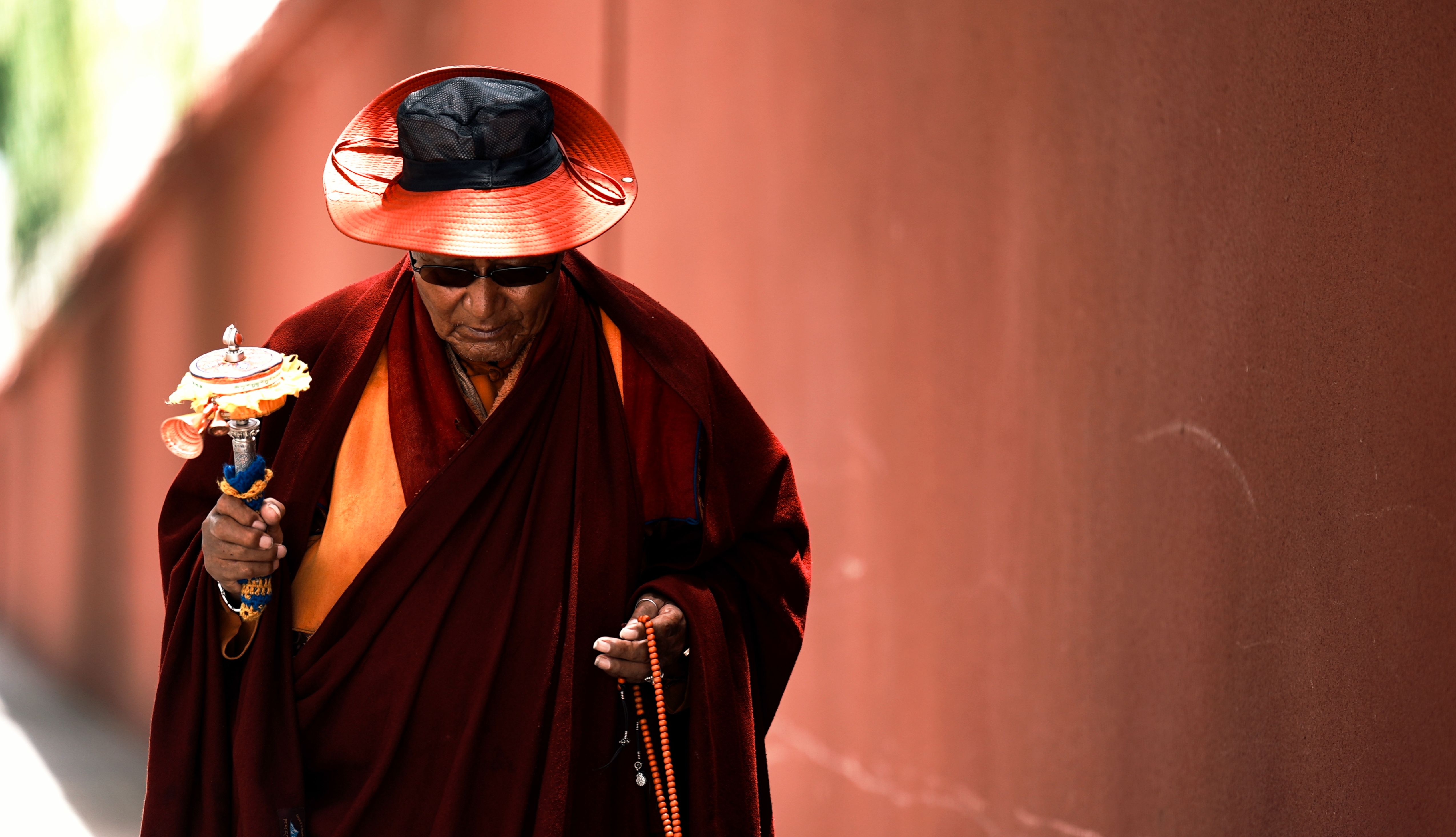
Time moves differently here. Pilgrims walk the Barkhor circuit spinning prayer wheels, monks argue philosophy in monastery courtyards, and buttery incense drifts from every shrine. The Qinghai–Tibet railway and a new high-altitude airport make it reachable, but nothing about Lhasa feels easy or ordinary. Come for the once-in-a-lifetime views; stay for the quiet awe.

Potala Palace in Lhasa

🏛 Top 5 Must-See click the photo to read the story

🛏 Where to Stay

Pick the right district and half your trip is planned. These are the bases locals actually recommend for visitors.

Barkhor / Old Town Best for atmosphere

Lhasa's old Tibetan quarter: narrow lanes, courtyards, and the pilgrim circuit outside your door. Traditional guesthouses with courtyards and rooftop views of the Potala. Best for culture and atmosphere.

🚶 Walk to Jokhang Temple 🏮 Traditional guesthouses
e.g. heritage courtyard inns near Barkhor · Shambhala Guesthouse
Potala View / West Best for first-timers

Modern hotels facing the Potala Palace, many with rooftop or window views of the red-and-white icon. Quieter, more comfortable, and a short walk to the palace entrance. Best for comfort and views.

🚶 Walk to Potala Palace 🏔 Palace-facing rooms
e.g. St. Regis Lhasa · Himalaya Hotel (palace views)
North / Lhasa River Modern & quiet

The newer northern quarter along the Lhasa River: wider streets, modern cafés, and fewer tourists. Best for longer stays, remote work, or travelers who want oxygen bars and modern amenities.

🚕 10 min to Old Town ☕ Modern cafés & shops
e.g. modern chain hotels along the river north

🍜 What to Eat

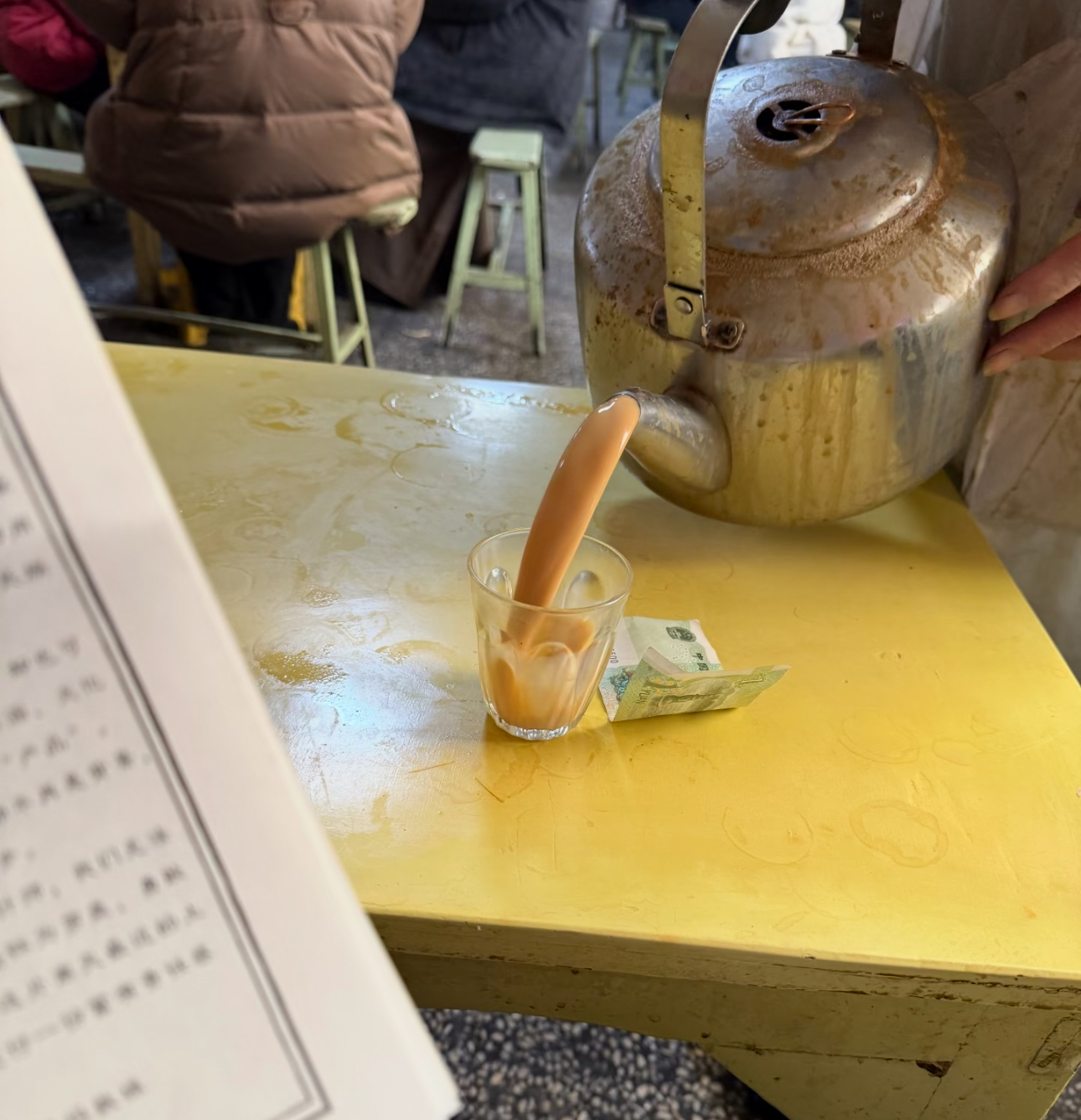
Tibetan sweet tea
Sweet tea 甜茶

Milk tea brewed with black tea, sugar, and yak milk — served in thermos bottles at every teahouse. Tibetans sit for hours over sweet tea, chatting and watching the street. It's also the best cure for altitude headaches (caffeine + hydration).

🍽 Teahouses on Barkhor Street · ¥3–5 per cup
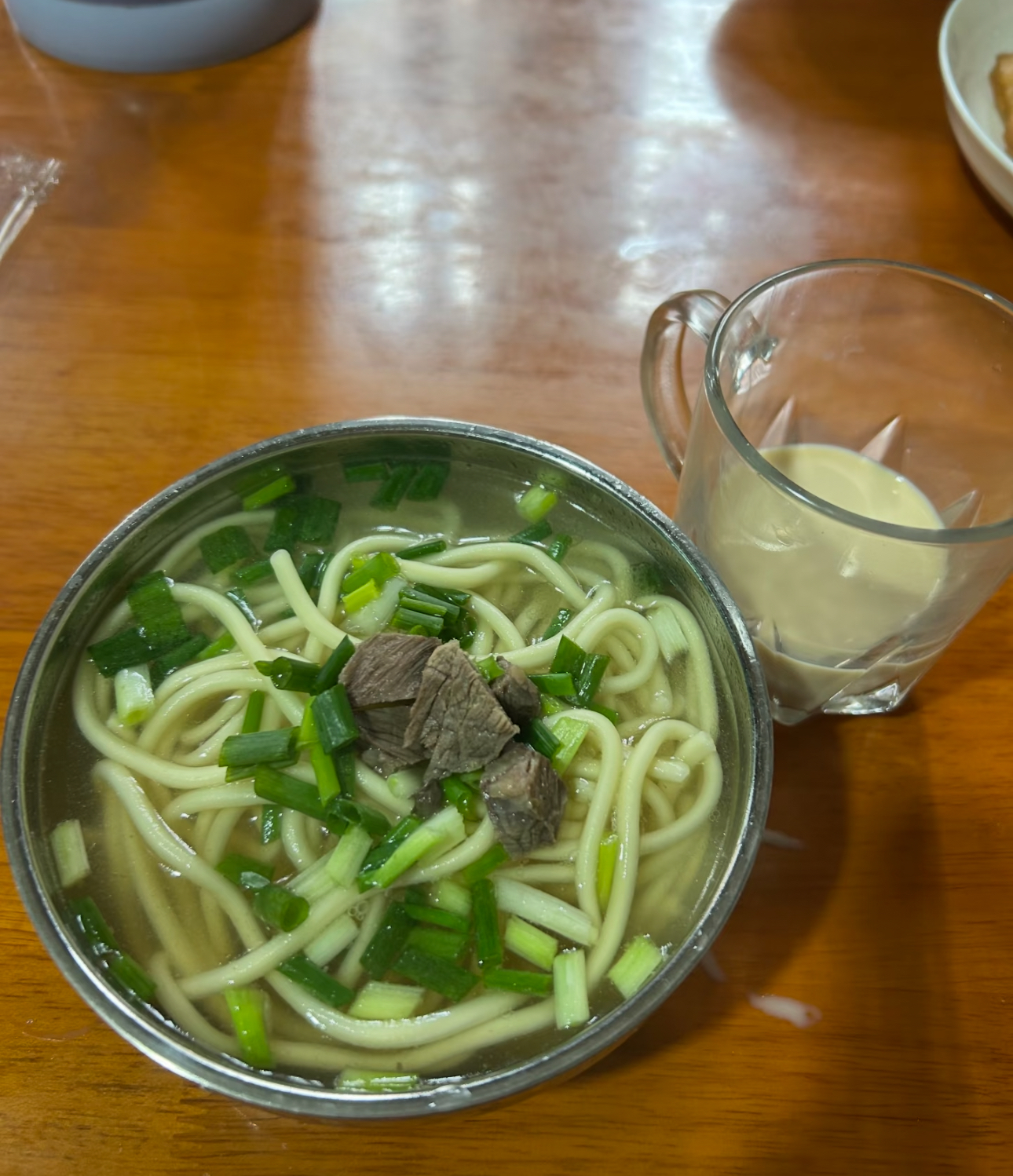
Tibetan hand-pulled noodles
Tibetan noodles 藏面

Hand-pulled wheat noodles in a simple broth with minced yak meat and scallions, eaten for breakfast with a side of pickled vegetables. Hearty, warming, and cheap.

🍽 Morning noodle shops near Barkhor · ¥10–20
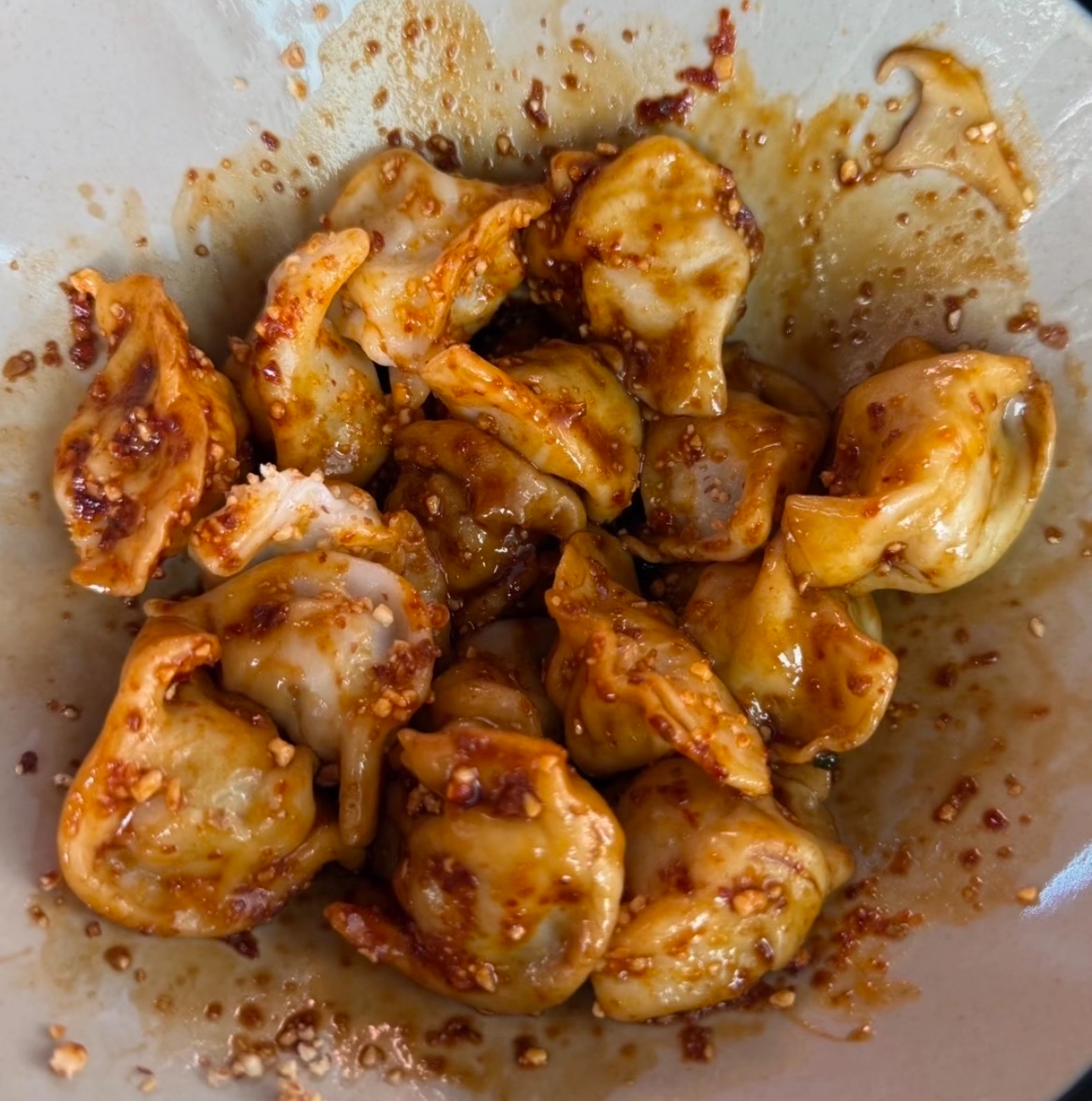
Tibetan momo dumplings
Momo dumplings 藏式饺子

Tibet's answer to dumplings: thick-skinned, steamed or fried, stuffed with yak meat, vegetables, or cheese. Served with a fierce chili sauce. Steamed momo with sweet tea is the classic Tibetan lunch.

🍽 Restaurants across the Old Town · ¥15–30
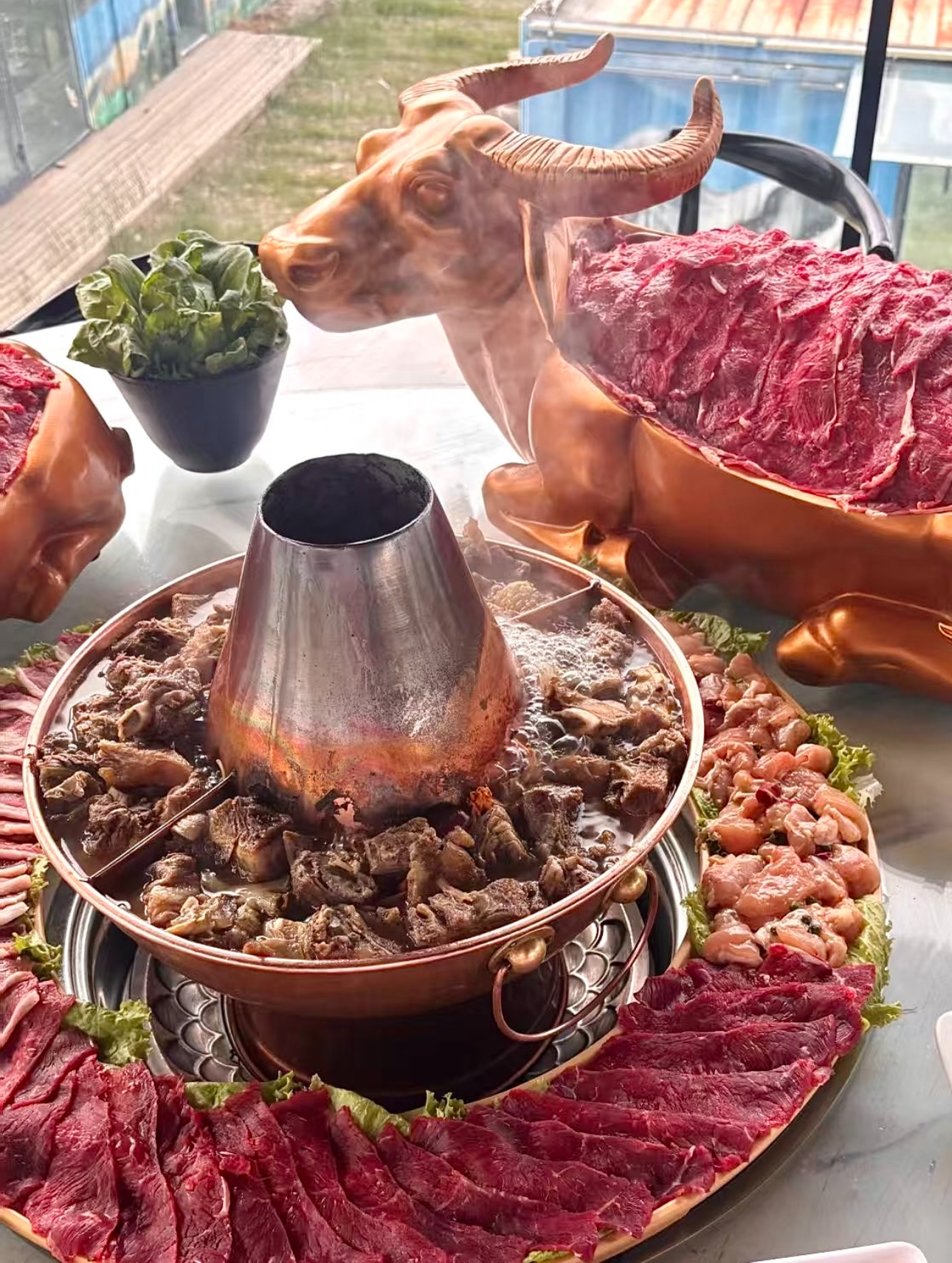
Yak hot pot
Yak hot pot 牦牛火锅

Thin-sliced yak meat cooked in a bubbling broth with mushrooms and greens — the classic high-altitude dinner. Yak meat is lean, rich, and tastes like nowhere else. Finish with butter tea if you're brave.

🍽 Hot pot restaurants near Beijing Road · ¥80–150 pp

💡 Kat's Insider Tips

Kat Says
Altitude is the whole game. Rest on day one, drink sweet tea, avoid alcohol and hot showers, and don't fly straight to Namtso.
Kat Says
Book the Potala ticket online days in advance and visit early — it's strictly limited and worth every minute.
Kat Says
Walk the Barkhor circuit clockwise, dress modestly at temples, and ask before photographing pilgrims. Respect makes the city open up.

← Back to Ready? China!